We all have lives outside of our work.
We’re business owners, professionals, coaches . . . and we’re also parents, partners, neighbors, daughters, and friends. We carry a lot. Some of what we carry is visible; a lot of it isn’t.
One part of my life that doesn’t always make it into my content is that I’m a mom. That role enriches everything I do. Being the mom of a young adult with a disability continuously deepens my empathy and commitment to encouraging empathy among others.
This week, I’m writing to you not just as a coach, but as a mother with a plea.
November is Epilepsy Awareness Month, and my 24-year-old son has lived with epilepsy since he was a toddler. I don’t talk about it often, because it’s his life and his story. But like any parent, I carry it with me every day.
Last weekend, my son went to New York City with friends – a totally normal milestone for many young people. But for us, it was a first, and I was nervous. Because while he’s made incredible strides and we celebrate every win, he still has seizures. And they’re not the mild kind he experienced as a kid anymore. These are fall-to-the-floor seizures that can happen anywhere, anytime.
What I want to change? Most people don’t know what to do when a seizure happens. They sometimes assume it’s a reaction to drugs or alcohol.
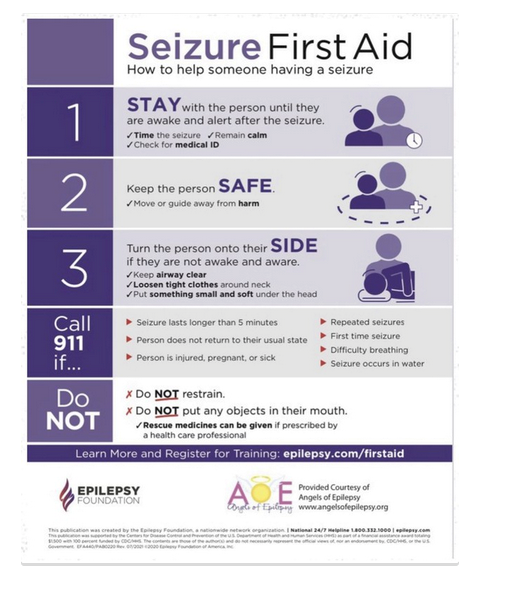 Epilepsy affects 3.4 million Americans. That’s 1 in 26 people in the U.S., and yet it’s still widely misunderstood. There are a lot of myths out there; one of the most dangerous is that you should put something in the person’s mouth if they’re having a seizure. Please don’t do that.
Here’s what to do:
Stay with the person until the seizure passes.
Gently turn them on their side if possible.
Put something soft under their head.
If it lasts more than 5 minutes, call 911.
Once it’s over, help them reorient, let them rest, and offer support.
Epilepsy isn’t contagious. It’s not a reason to feel uncomfortable around someone. It doesn’t make someone any less worthy of employment, independence, or dignity. People with epilepsy can (and do!) live full, meaningful lives. But that doesn’t mean it’s easy.
Here’s my request —
Use this month to raise your awareness.
In the months that follow, stay curious about the people around you.
If someone you know mentions a diagnosis – whether it’s epilepsy, a chronic illness, or something they’re navigating with a loved one – don’t just nod and move on. Ask questions. Offer support. Be a safe place for people to land.
We’ve become so disconnected, suspicious, distracted, and so scared of saying the wrong thing, we say nothing at all. But the truth is, we need each other. If you’ve got a platform, whether that’s a newsletter or social media or a leadership position, use it to raise awareness and spread the spirit of caring.
If you don’t have an audience, remember that you still have a voice.
You’ve still got influence, even if it’s at your own dinner table or among your friends.
The world needs more love. More listening. More presence.
And it starts with seeing one another more clearly.
Thanks for letting me share a piece of my life with you.
Leave a Reply