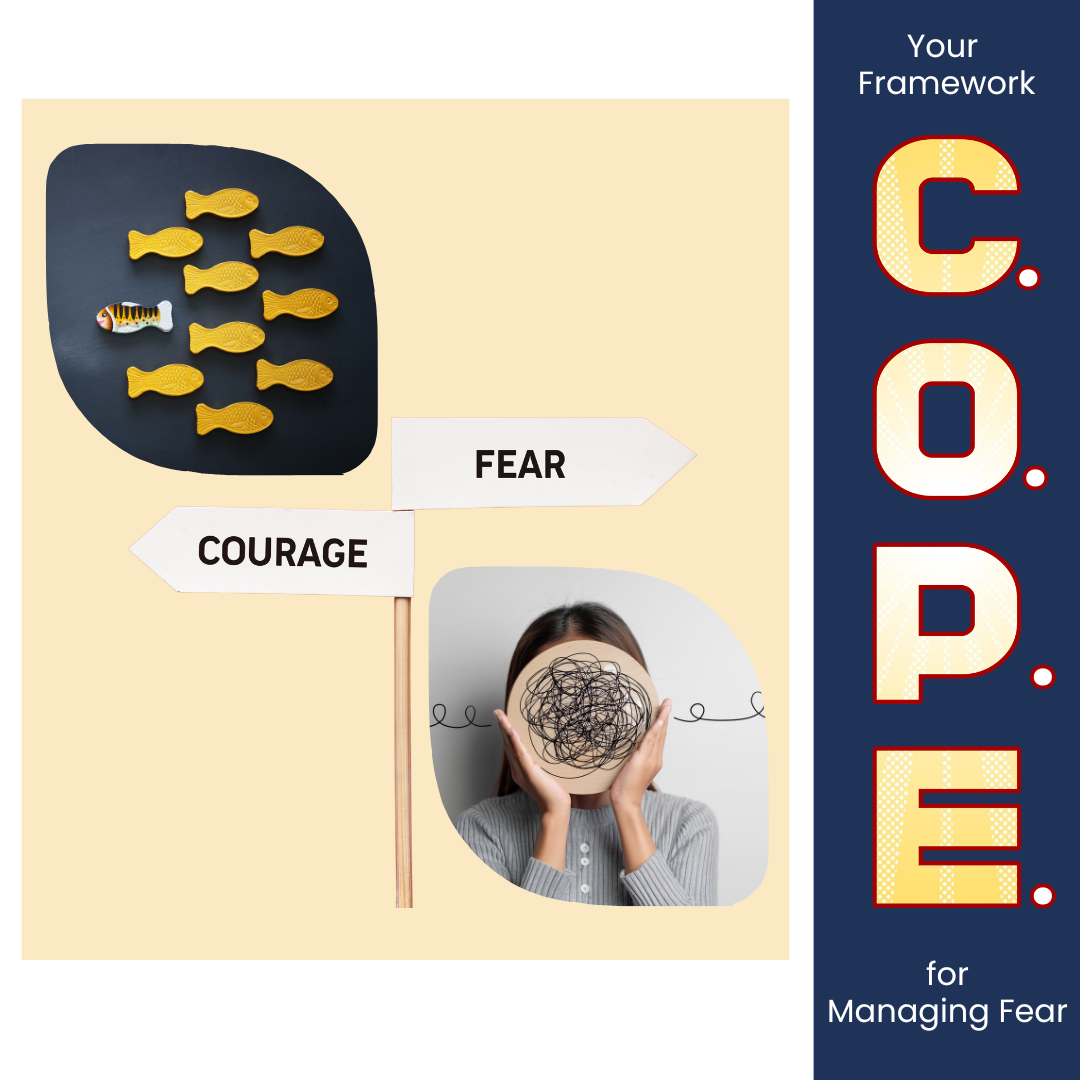
How many of you have experienced rejection in the last six months?
Didn’t get the job you wanted.
Got passed over for the promotion.
Couldn’t close the sale.
If your hand went up, you’re in good company, and you’re exactly who this is for.
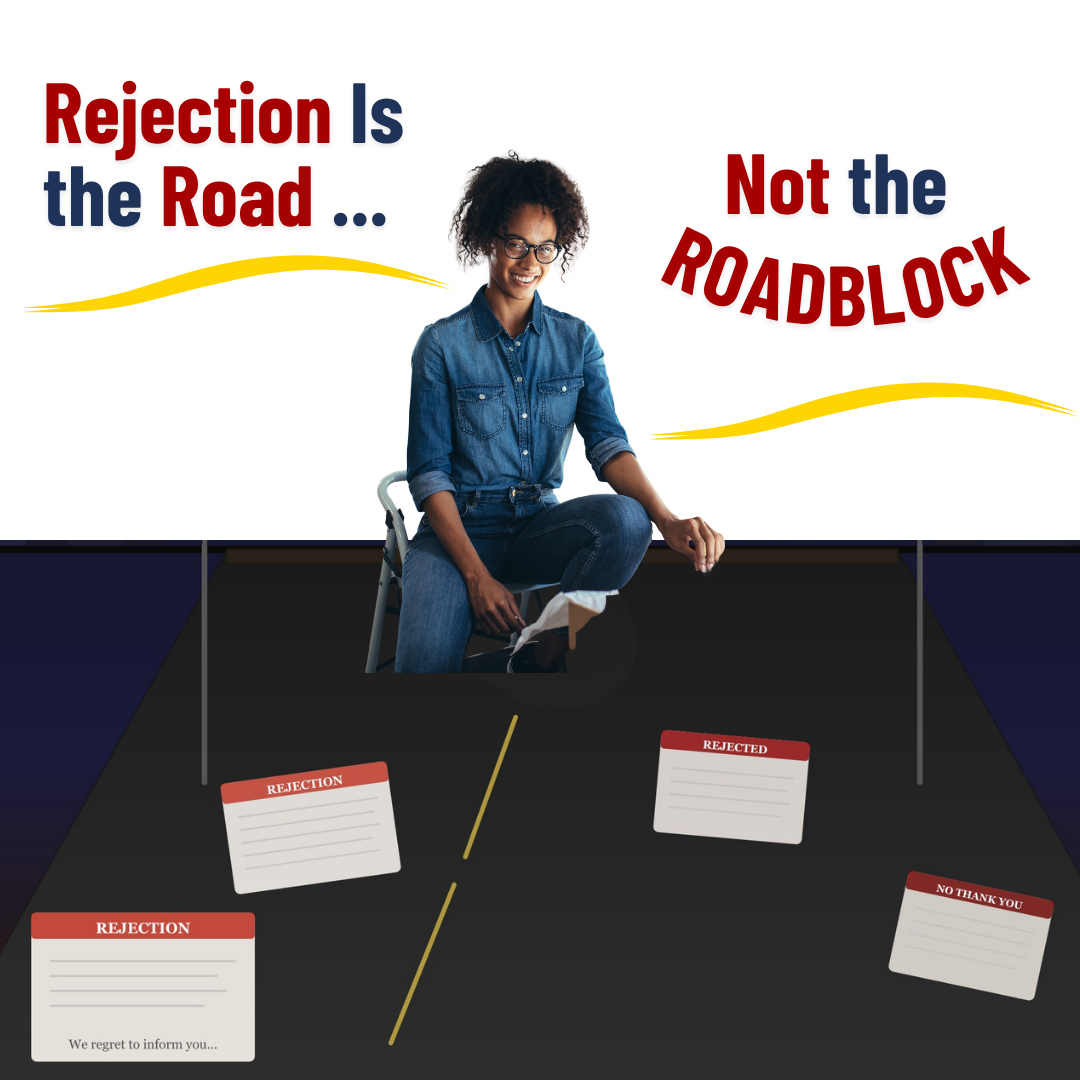 Here’s the reframe that changes everything:
Rejection is not the problem. Rejection is the path.
Michael Jordan did not make the cut for his high school basketball team. Harry Potter was rejected at dozens of publishers before getting a yes.
Rejection is not the obstacle standing between you and success; it’s the way to success. The most successful people in any field — job seekers, salespeople, entrepreneurs, executives going after the next level — aren’t the ones who avoid rejection. They’re the ones who recover from it the fastest. Let’s talk about how to do that.
The Two Traps
Before we get to the recovery, you need to recognize the two traps people fall into when they get rejected.
Trap One: Taking it personally. You don’t get the job, and suddenly you’re sure you’re on the wrong path. You lose the sale, and you decide entrepreneurship is not the path for you. You get passed over, and you start to spiral and question your worth. Here’s the truth: That’s a story you’re telling yourself — it’s not a fact. There’s a difference between what happened and the meaning you assign to it. When you collapse a single rejection into a verdict on your entire value, you’ve gone from interpreting a moment to building a case against yourself. Don’t do it.
Trap Two: Brushing it off completely. The opposite problem. You shake it off, tell yourself it was their loss, and move on without extracting anything useful. Resilience is a strength, but not if it means ignoring information that could help you improve. There’s always something to learn. Skipping that step means you’ll face the same wall again.
The answer is to make rejection useful.
A Three-Step Recovery Process
Step 1: Feel it — but set a timer. Rejection is a real emotional experience. Don’t suppress it. Give yourself a window — an hour, a day — to feel disappointed. You’re human, and disappointment is a reasonable response. But when the window closes, close it. You are not your last no.
Step 2: Mine it for data. Ask yourself one question: What’s the one thing I can learn from this? Not ten things – just one. Were you under prepared? Was your pitch unclear? Did you need stronger follow-through? Do you need more training on closing? One honest insight — without defensiveness — is worth more than a dozen rationalizations. Be direct with yourself.
Step 3: Recalibrate, then move quickly. Adjust what the data tells you to adjust, and keep everything else. Then get moving. The longer you sit still after rejection, the heavier it gets. Momentum is the cure for rejection paralysis. Don’t let a no turn into weeks of inaction.
The Number Game Nobody Talks About
Here’s a concept from the world of sales that applies to every pursuit: The cost per no.
If you know that you close one in every ten prospects, and each closed deal is worth $1,000, then every single rejection was worth $100 on the way to that thousand. You’re not just tolerating rejection. You’re getting paid for it. Each no is moving you closer to the yes.
The same math works in a job search, a promotion campaign, or any meaningful pursuit. The job market right now is tough; most people know that. But the answer isn’t to stop putting yourself out there. It’s to understand that every interview that doesn’t land is part of the sequence that eventually does.
So change the question. Stop asking, “Why did they say no?”
Start asking, “How many more no’s do I need before I get to my yes?”
That’s not denial. That’s strategy.
Rejection is part of the game, whether you’re an entrepreneur, a job seeker, or someone gunning for the next level in your career. It’s not a sign you’re on the wrong path. Most of the time, it’s a sign you’re on exactly the right one. You’re just not at the end of it yet.
Keep going!