Category: Lessons Learned

  • Say It or Act It? Your Results Will Differ

    Say It or Act It? Your Results Will Differ

    The other day, one of my executive clients told me about some feedback he got during a review. The buzz around the office was that he made people feel stupid.

    Whoa…

    To be fair, “no one can make you feel inferior without your consent,” is a bit of wisdom from former first lady Eleanor Roosevelt. True, but should people have to go around letting disparagement and hostility roll off their backs? Of course not.

    Using a condescending communication style isn’t a good look for a leader. Having a reputation for talking down to people is no way to gain respect.

    But my client isn’t a bully. He never intended to put anyone down or make them feel inadequate. So what the heck was going wrong?

    Say It or Act It Your Results Will Differ by Laura Berman FortgangI dug into his story, and here’s what I discovered:

    He was frustrated because he found himself repeating the same things over and over…

    His tone, facial expressions, and body language showed the frustration.

    He was acting out his feelings, rolling his eyes, sighing heavily, and throwing his hands in the air as he expressed his frustration. Definitely not a good look!

    Let me be clear. There isn’t anything wrong with expressing frustration, but do everyone a favor and skip the drama. It’s unprofessional, and it’s doing you and everyone around you a disservice.

    What should you do instead? Simply state what you’re feeling. “I’m feeling frustrated that I have to repeat myself, but here’s what I’d like you to do.”

    Whether you’re talking to your team members, coworkers, kids, or spouse, SPEAK the emotion rather than acting it out and spewing it at them.

    Remember, perception is reality. If you give off the impression that you’re unreasonable and egotistic, there will be consequences in how your team operates. People will avoid you, problems will fester, and you’ll miss out on growth opportunities.

    Consider the ripple effect of your actions and find ways to improve how you communicate. Say it, instead of acting it out!


  • Love Lessons from Leila

    Love Lessons from Leila

    Last week, my sweet dog, Leila, had surgery. Let me tell you that seeing my poor girl go through the pain and recovery of that ordeal made her more precious to me than ever.

    I don’t know if you’re a pet person, but our four-legged friends have a lot to teach us about life and love. Here are some lessons I learned from Leila as she faced this recent scare.

    Love Lessons from Leila by Laura Berman Fortgang1. Meet each day with abandon.
    For Leila, every day is a chance to start anew, and she takes it on with enthusiasm. Despite what she was going through, this pupster loves every day — and it shows!

    2. Fiercely protect who and what matters.
    Leila’s not very big, but her heart and her spirit are. She’s determined to stand for the ones she loves, even when not feeling her best.

    3. Play hard.
    If you want more love in your life, incorporate more play in your day. Leila plays hard, no matter what, bringing a sense of wonder and adventure to everything she does.

    4. Rest often.
    When it’s time to rest, Leila doesn’t hesitate to nap. She listens to her body and surrenders to her need to recharge. We don’t need to be productive in every moment; always be sure to take care of yourself.

    5. Allow yourself to be needy.
    When Leila wants a belly rub or attention, she’s not afraid to be downright needy. She’ll let you know what she expects from you. But as needy as she is, it’s the flip side of how much love she gives. She gets how much people need to be seen, to be heard, to be cherished, and to be loved — so that’s what she gives!

    The more we lean into love, the more we get from what we love. Pour into your life, your people, your passions, your career, and your business with the purest of intentions, and you’ll love what you experience in return.

  • 6 Habits of Highly Effective Entrepreneurs

    6 Habits of Highly Effective Entrepreneurs

    Entrepreneur is one of the most alluring words in the English language.

    People daydream about quitting their jobs to work for themselves, and those who already work for themselves dream of the day when the term lives up to its luster.

    We’re fed romanticized images of total freedom and piles of cash, but it’s not nearly as easy as it looks. Being a successful entrepreneur takes a lot more than most people think.

    Before you let your hopes and wishes get the best of you, let’s get down to brass tacks.

    If you’re a self-employed freelancer, coach, consultant, or business owner, this is for you.

    What does it take to pull it off? Your HABITS. It’s what you do routinely that makes a difference.

    Here are 6 habits of highly successful entrepreneurs:

    6 Habits of Highly Effective Entrepreneurs by Laura Berman FortgangPLAN: Don’t wing it. Always plan at least a quarter ahead.

    MULTI-TASK: There’s a lot going on at once; you need to get good at organizing chaos.

    PRIORITIZE: You need to get good at determining what’s most important and must get done first.

    DELEGATE: Stay on top of it all, but you can’t keep doing it all if you want to level up.

    CONSISTENCY: When something works, do it repeatedly. Keep showing up.

    SELF-CARE: Look out for your physical, emotional, and spiritual well-being.

    I work with clients to come up with systems and consistent execution of all these habits, and I’ve seen what happens when someone tries to run a business without locking them down.

    You’re the product, the marketing department, the sales department, the operations department, and the finance department. It’s up to you, and you alone, to keep your skills strong and to keep your clients satisfied. Whether you have a team or not, the buck stops where you stand.

    You can either daydream about enjoying the rewards of successful entrepreneurship or create the habits to support your success.

  • What is GRIT?

    What is GRIT?

    If there’s one quality you can’t do without on the path to success, it’s GRIT.

    Reaching your goals often requires a stick-to-itiveness like no other.

    You’re going to hit challenges along the way, and it’s possessing a dogged perseverance — despite adversity — that’ll carry you through. This kind of tenacity is what sets you apart from those who give up.

    My youngest son is my GRIT hero. Despite dealing with some tough health and learning challenges, he’s tackling college with true grit, making the dean’s list, and rising above difficulties that could’ve held him back.

    My clients navigating pivots in today’s tough job market are doing it with GRIT too — applying for job after job, getting rejected or ghosted by recruiters, yet sticking with it until they land that opportunity.

    The coaches and business owners I work with have the fortitude to see things through. Being your own boss comes with the kinds of ups and downs that simply can’t be trekked without a hefty dose of GRIT.

    Some of us are born with it, and some develop a sense of determination as we go. If you’re wondering what G.R.I.T. really takes, here’s what I think —

    What is GRIT by Laura Berman FortgangGUMPTION: You need the good sense, courage, and guts to just get out there and go for it!


    RESILIENCE: You have to be able to recover quickly and bounce back from challenges.

    INTEGRITY: Staying true to who you are and doing the right thing is a must in the long run.

    TIME: Things take longer than we think to happen or to get done; are you willing to keep at it?

    When you have GRIT, here’s what that looks like —

    You have to continue trying and attempting new things, even if the going gets tough.

    Are you a business owner? Continuously test new offerings, pricing, packing, and messaging until you find what works. You’ll get to the yes by hearing the nos.

    Now, I know what you might be thinking…

    How do I know I’m not barking up the wrong tree?

    1. You’ll see signs of encouragement. Rather than hitting a brick wall everywhere you turn, you’ll take two steps forward even if you’re forced to take one step back.
    2. You need a good support system that you can trust — a coach, a mentor, a community group, or a good friend to serve as a sounding board.

    Some stubbornness can do you good, but GRIT doesn’t mean unreasonable bullheadedness. Discernment is part of the package.

  • The Truth in Coaching

    The Truth in Coaching

    When I started in the coaching industry 20+ years ago, most people were unfamiliar with the term “coaching” — outside of sports, of course. These days, I rarely meet someone who doesn’t know what coaching is — in the context of life, health, business, or careers.

    We’ve come a long way! But when it comes to recognizing the difference between a skilled coach and someone who just slapped on a title? Not so much.

    Coaching isn’t a regulated industry. You don’t need a license or specific training to call yourself a coach, which isn’t necessarily a bad thing; it allows for autonomy and creative freedom. However, when hiring a coach, you need to know what you’re getting into. And when you are a coach, you need to know what skills help your clients get results. What makes a coach good at their job?

    You may have heard me say I’m a Master Certified Coach (MCC), the gold standard credential in coaching, issued by the International Coaching Federation. To earn this designation, I had to demonstrate evidence of advanced coaching skills and meet certain standards. It’s something I take seriously.

    BUT the credential itself isn’t what makes me, or anyone else, a good coach. What makes someone a good coach is the skill of telling the truth.

    Most people avoid the truth at worst or tell “polite” truths at best.

    An effective coach will call you on your stuff and tell you the truth in a snap. We won’t let it slide.
    Does this mean good coaches are all-knowing truth-tellers? Of course not.
    It means we’re able to recognize incongruencies — when you say something that doesn’t match your actions, or when you act in a way that’s out of alignment with the groundwork and goals we’ve established.

    For example —The Truth in Coaching by Laura Berman Fortgang

    You: My family is the most important thing to me.

    Skilled coach: You mentioned that your family is important, but you also shared with me that you haven’t spent any time with your family this month. In what ways are you prioritizing your family? Where else are you directing your attention? What’s really getting your time?

    It’s the coach’s job to pay close attention, notice when something is “off,” and question it. Inquiring into what you say, think, and do is what helps you see the truth — YOUR truth.

    I know we’re getting somewhere when a client says, “Wow, that’s a really good question,” or — better yet, “I hate you for asking me that.” Bingo – we’re onto something!

    It’s important to remember that when you enter into a coaching relationship, you’re agreeing to get called out on your stuff. You’re signing up for the truth … because living in our truth is where we all want to be.

    This is how coaching changes lives and organizations. You have to answer some tough questions and confront big truths about yourself, your leadership (we are all leaders somewhere, even if it’s just with family) and your choices. Are you ready to face facts?

    If you’re a coach, you need to learn how to work with the truth — to ruffle feathers (but in a productive way), and to uncover layers so you can get to the good stuff. It’s a skill set that requires training and practice.

  • What “I Don’t Know” Really Means

    What “I Don’t Know” Really Means

    I love helping people make big changes in their lives.

    Seeing someone go from being completely miserable or frustratingly unfulfilled in their career to being content, aligned, and fired up about their work is what makes what I do so rewarding.

    But change isn’t easy, especially when you won’t admit what you want that change to be.

    Notice I didn’t say when you don’t know what you want? I’m willing to bet you do know.

    What "I Don't Know" Really Means by Laura Berman FortgangHere’s the thing —

    I’ve been doing this for a long time. I talk to a lot of people who want to make a change, and their story often starts something like this:

    “I want to do something different, but I don’t know what I want to do.”

    I used to believe them. I’d jump right in and help them figure it out! But then I started to notice a pattern. By the time we got to the bottom of it, they almost always admitted knowing the answer all along.

    So these days, if you tell me you don’t know what you want to do with your life — I believe you do know – but that you don’t want to admit it — even to yourself.

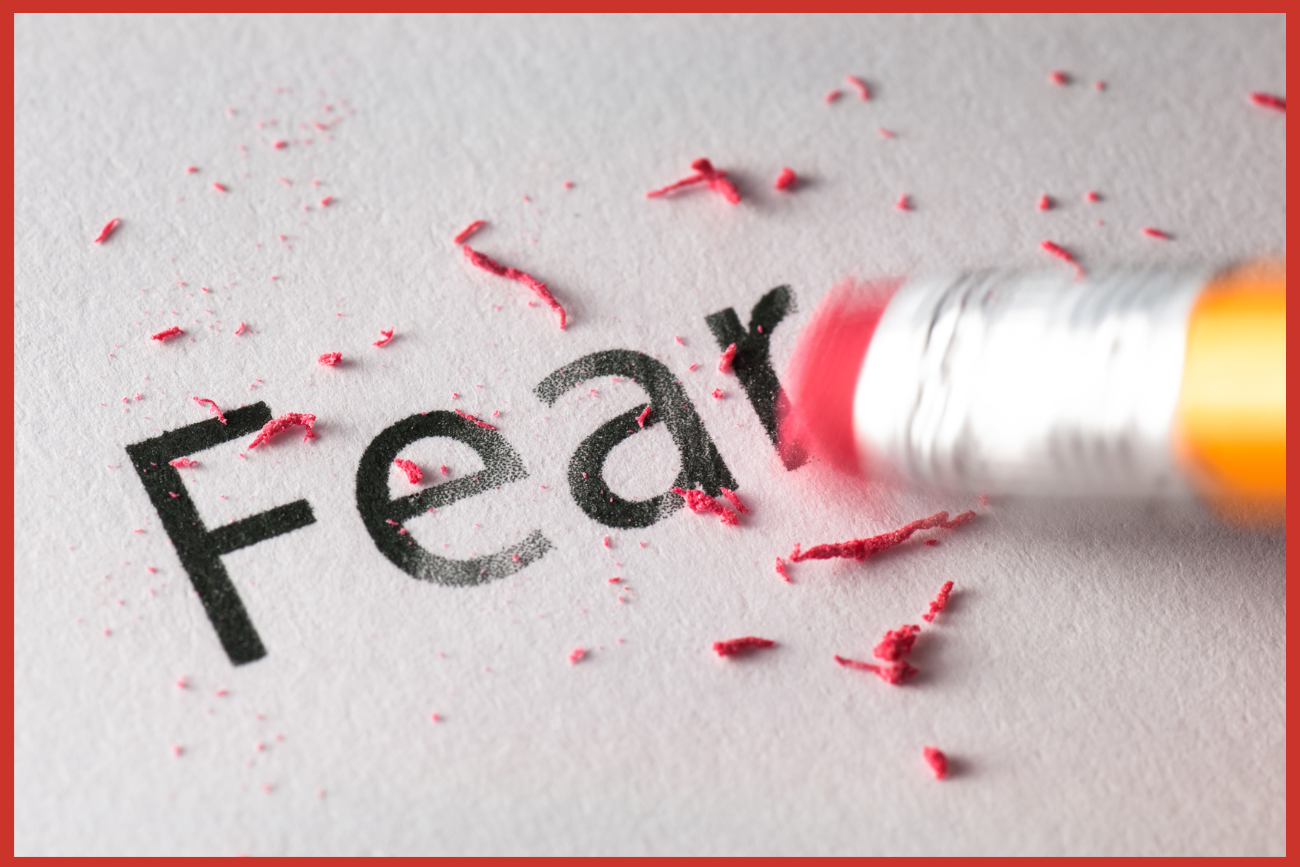
    You’re afraid — to dream, to dare, and to do what it takes. You have a fear of failure and looking foolish or a fear of success and the change that comes with it … or both!

    Walking into the unknown is scary stuff, but it shouldn’t stop you from moving forward.

    You don’t have to know how to get there or what to do. Your change will come from pointing yourself in the direction you want to go and putting one foot in front of the other, one step at a time.

    It comes down to this: “I don’t know” is just fear, and “I don’t know how” is just more fear.

    You know. It’s simply scary because it seems impossible.

    Here’s my motto: Do one thing a day towards your dream.

    One phone call, one hour of research, one class. One step, another tomorrow, and another the next day. You’ll get there!