
Every January, millions of people launch into action. They join gyms, open blank documents for that novel they’ve been meaning to write, or register their LLC for the side hustle that’s going to change everything.
By February, most have stopped.
The problem isn’t lack of willpower or poor planning. It’s that they’re trying to change their actions without first transforming their identity.
The Identity-Action Gap
Here’s what typically happens: You decide you want to lose 30 pounds, so you buy meal prep containers and download a fitness app. You want to write a novel, so you block out time on your calendar and create the perfect workspace. You’re ready to launch that consulting business, so you design business cards and build a website.
These are all smart actions.
But they’re built on a foundation of sand.
When you take action without first shifting who you believe yourself to be, every choice becomes an internal negotiation. The alarm goes off at 5:30 AM for your workout, and you have to convince yourself – again – that you’re the kind of person who does this. You sit down to write, but that blank page mocks you because you don’t yet believe you’re actually a writer. You need to make sales calls for your new business, but impostor syndrome screams that you’re just pretending to be an entrepreneur.
This exhausting internal debate is why most ambitious goals fail. You’re constantly fighting against your own self-concept.
The Power of Identity-First Change
Consider weight loss. Most people approach it as a behavior problem: “I need to eat less and move more.” But sustainable transformation happens when you shift from “I’m trying to lose weight” to “I’m someone who takes care of my body.”
That subtle shift changes everything. When you’re someone who takes care of your body, choosing the salad isn’t deprivation; it’s consistency with who you are. Missing a workout creates genuine discomfort because it conflicts with your identity, not because you’re failing at a resolution.
The same principle applies to writing your novel. You don’t need to wait until you’re published to be a writer. You become a writer the moment you decide that’s who you are. Real writers write on days they don’t feel inspired. They protect their writing time. They study this craft. Once you embody that identity, sitting down to write becomes natural rather than forced.
And for your side hustle? Stop “trying to start a business” and start being an entrepreneur. Entrepreneurs solve problems. They learn from failure. They show up consistently even when results are slow. When that’s who you are – not what you’re attempting – the difficult actions become expressions of identity rather than items on a to-do list.
 How to Shift Your Beingness
This isn’t about positive thinking or affirmations. It’s about genuine identity transformation.
1. Define the identity clearly.
Don’t just say “I want to be healthy.” Get specific: “I’m someone who honors my body’s needs, makes conscious food choices, and moves daily because it feels good.”
2. Find your evidence.
Your brain needs proof. Identify any moment (no matter how small) when you’ve already been this person. That time you took the stairs? That counts. The paragraph you wrote last Tuesday? Evidence. The helpful advice you gave a friend? Entrepreneurial.
3. Make identity-consistent choices.
Ask yourself throughout the day: “What would the person I’m becoming do right now?” Then do that thing, even when it’s small, especially when it’s small.
4. Speak it into existence.
Change your language. Not “I’m trying to lose weight,” but “I take care of my body.” Not “I want to write a book,” but “I’m writing a book.” Not “I’m thinking about starting a business,” but “I’m an entrepreneur building my business.”
The Truth About Tough Actions
Yes, losing weight requires tough choices. Writing a novel demands discipline and vulnerability. Building a business means facing rejection and uncertainty.
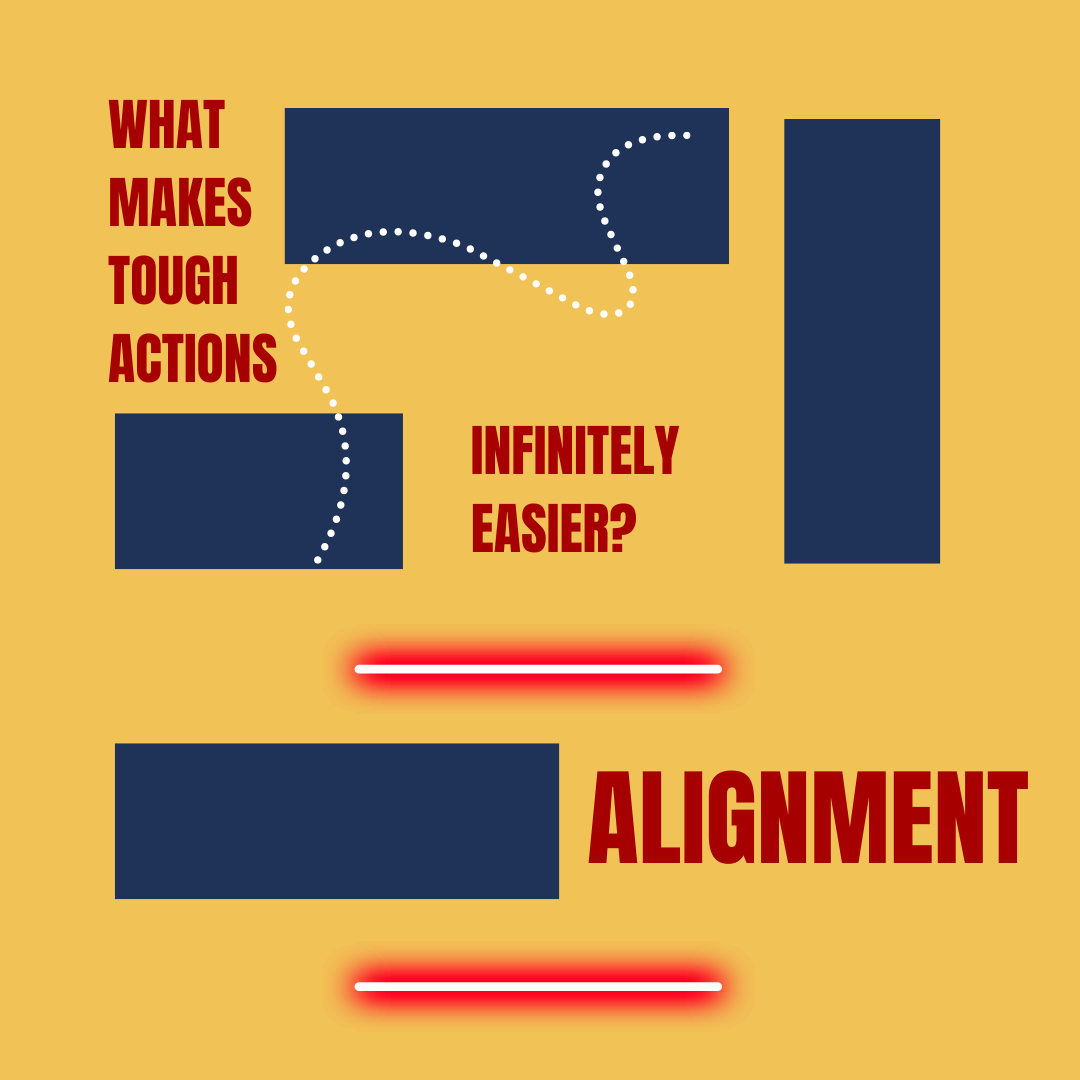
Here’s what makes those tough actions infinitely easier: Alignment.
When your actions flow from a clear sense of who you are, they stop feeling like obligations and start feeling like integrity. You’re not forcing yourself to do hard things; you’re simply being consistent with who you’ve become.
The action is still challenging, but it’s no longer a battle with yourself.
Before you revise your goals or create your action plan, pause.
Get clear on who you’re becoming.
Let that identity settle into your bones.
Then watch how naturally the right actions follow.
 And this, dear reader, happened to me TWICE – once each way on my flights!
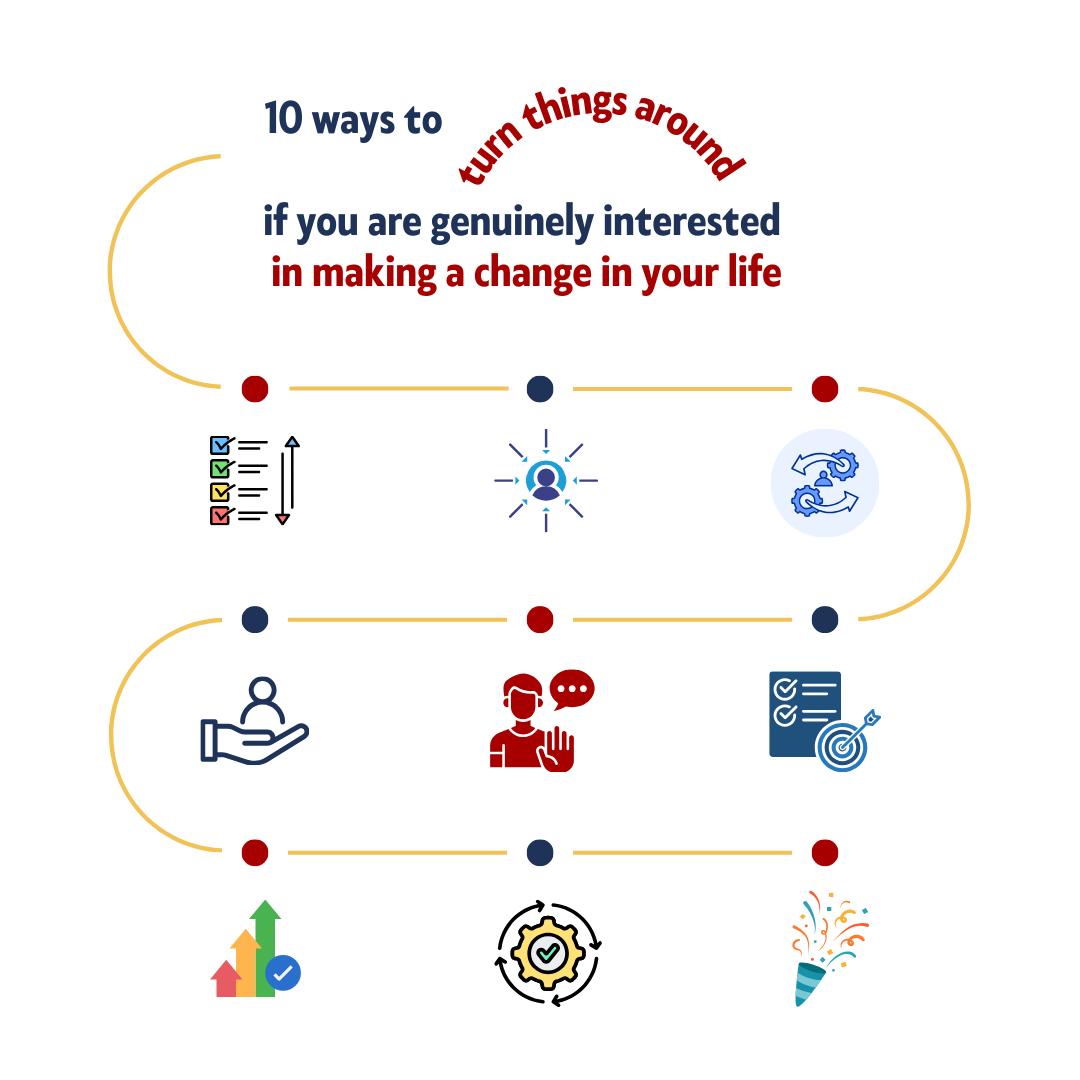 Let’s take a look at ten reasons why you may be frustrated, and how to turn things around if you are genuinely interested in making a change in your life.