• Skip to primary navigation
  • Skip to main content
  • Skip to primary sidebar
Now What?® Coaching

Now What?® Coaching

from Laura Berman Fortgang

  • Login
  • About
    • About Laura
    • Our Philosophy
    • Praise
  • Hire a Facilitator
    • Hire Laura
  • Become a Facilitator
  • Online Courses
    • Career Clarity & Direction
    • Career Clarity & Direction: Self-Guided Course
    • Job Search Academy
  • Products
  • Blog
  • Contact

Blog

You Can’t Go Back to Before — And That’s the Point

By Laura Berman Fortgang on March 15, 2026

In the musical Ragtime, there’s a character simply called Mother. When her husband leaves for a year-long expedition, she transforms. She takes in a Black couple and champions them — scandalous in early 1900s upper-crust New York society. She makes decisions, finds her voice, and becomes someone new. When her husband returns and tries to fit her back in the box she once occupied, she can’t do it. She sings a song called “Back to Before,” and it’s all about how you simply cannot return to who you were.

I think we can all relate to that tension.

We long for the past.
We long for that thing that
was.

There’s actually a psychological term for it — rosy retrospection — which is our tendency to remember the past as kinder and gentler than it may have actually been. We don’t remember the anxiety of that “easier” chapter. We remember the feeling of being less burdened.

I know that feeling personally. My son has epilepsy. I can remember a time when they were petit mals — frightening, yes, but something our family had learned to navigate. Something that had become, in its own difficult way, our normal. Then came the grand mals, and everything shifted. I remember thinking if I could just get back to before that happened, we could handle this. What I didn’t realize at the time was that “before” wasn’t waiting for me. It had already closed.

That’s the thing about “before.” Even if you could somehow return to that exact moment in time, you would bring this version of yourself with you. You’ve grown. You’ve changed. So you truly can’t go back. What Mother’s song captures so beautifully is that the “before” she mourns was also a version of herself that was smaller, quieter, and less fully alive. Growth and loss are often the same door.

You Can't Go Back to Before — And That's the Point by Laura Berman FortgangWhen we spend our energy facing the rearview mirror, we risk getting stuck there. Nostalgia in small doses is sweet, warm, and deeply human. But when we move in there, it becomes a form of grief that never resolves. It keeps us comparing the present to an idealized past that didn’t quite exist, and the present always loses that competition. We can become so loyal to who we were that we become strangers to who we’re becoming.

Here are four things that can help you move forward:

Honor it, then set it down. You are absolutely allowed to miss what was. Grief is real, and grief is authentic. But there’s a difference between visiting the past and moving in there. Acknowledge what you’ve lost, feel it fully – then deliberately turn toward what remains.

Ask: What does this make possible? Every ending carries a hidden opening. The question can’t only be “what did I lose?” It has to become “what is this new chapter calling forth in me? Who am I becoming?” That’s where the real focus belongs. Not on the closing door, but on the one that’s beginning to open.

Trade nostalgia for gratitude. Nostalgia looks backward. Gratitude — real appreciation — lives in the present. Instead of wishing you could return to a good moment, practice being grateful it happened at all. That single reframe moves you out of longing and into appreciation. And appreciation puts you right back in the present, where your life is actually happening.

Build something to move toward. The pull of the past is strongest when the future feels empty — when there’s nothing on the horizon you’re looking forward to. So put something there. It doesn’t have to be grand; even something small gives forward motion a direction. Once you start moving forward, it becomes easier to keep going. Mother doesn’t end her song with any kind of tidy resolution. She can’t get back to the past, but she stands in the truth of her own change. I think that is actually the bravest thing any of us can do. Not pretending the past didn’t matter and not letting it hold us hostage either. Just standing in who we’ve become.

I still have moments where I’d give anything to go back to before. But I’ve also learned that the version of me who came through what came next is more capable, more compassionate, and more present than I ever was before.

You can’t go back to before.
But you can decide, right now, what you’re moving toward and allow the next chapter to begin.

Filed Under: Now What? Newsletter Articles Tagged With: back to before, Change, Clarity, coaching, Laura Berman Fortgang, looking back vs. moving forward, new direction, next chapter, Now What Coaching, past vs. future, rosy retrospectionLeave a Comment

Put On the Night Vision Goggles: How to See Through the BS in Coaching and Sales

By Laura Berman Fortgang on March 8, 2026

Have you ever been sitting across from someone — maybe in a coaching session or in a sales conversation — and they tell you everything is fine, they’re good, they just need a little tweaking… and yet every instinct in your body is screaming that something is off?

Yeah. Me too.

The problem isn’t that people are deliberately lying to you.
The problem is that you haven’t put on the right equipment to see through it.

Think about night vision goggles. You’ve seen them on TV; it allows the cops or soldiers to move through complete darkness. Without them, you see nothing. No shapes, no outlines, no threats, no opportunities. But the moment you strap them on, the whole landscape lights up like daylight. Suddenly you can see everything, including what people are trying to hide, even from themselves.

Put On Night Vision Goggles: See Through BS in Coaching and SalesThat’s the skill I want to talk about. Because the best coaches and salespeople aren’t the ones with the slickest scripts or the loudest pitches. They’re the ones who have learned to put on the night goggles.

Why People BS Even Themselves

It’s important to understand something. Most people aren’t consciously deceiving you. They don’t mean to fib. What they’re doing is protecting themselves. Over years of life experience, people build walls, craft stories, and rehearse excuses — not because they’re manipulative, but because the real stuff is scary, raw, and vulnerable. And they’ve learned that leading with it feels dangerous.

When someone gives you the polished, everything-is-fine answer, they’re not your enemy.
They’re just in the dark.
Your job is to bring the light.

Three Things the Night Vision Goggles Reveal

Once you commit to seeing past the surface, here’s what starts to come into focus:

The gap between words and energy​
Someone can say “I’m fully committed” while their body tells a completely different story — voice dropping, eye contact disappearing, shoulders caving in. Don’t follow the words; follow the energy. The body doesn’t lie the way the mouth can. When those two things are out of alignment, that gap is your signal to go deeper.

The story they keep repeating​
When someone offers you the same excuse dressed up three different ways, that’s not an explanation; that’s armor. The real issue lives underneath the repeated story in the thing they haven’t found the words for yet. This is where you lean in rather than accept the surface answer. Get curious. Ask what’s underneath that. Then ask again.

What they’re not asking for​
This one is huge. The person who says they need a better script almost always actually needs confidence. The client who says they need more leads usually needs to fix what’s happening once they get someone on the phone. The surface request is rarely the real problem. Learning to hear the unspoken need is one of the most valuable skills you can develop, whether you’re coaching or selling.

How This Changes the Sales Conversation

When a prospect tells you they need to think about it, that’s not a request for more time. It’s a signal that something is unresolved. It could be fear or doubt. It could be a conversation they need to have with a partner first, or a wound from someone who let them down before. Whatever it is, pitching harder won’t reach it.

Put the goggles on instead.
Get quieter. Ask better questions.
Create enough space that the truth finally feels safe enough to show up.

The best closers are not the loudest voices in the room. They’re the people who can sit the longest in the silence — comfortable enough with the discomfort to wait for what’s really going on.

Your Job Is to See What They Can’t

Next time someone gives you the Miss America answer — the “I’m fine, everything’s great, I just need a small tweak” response, remember this:

The dark doesn’t mean there’s nothing there. It just means you haven’t switched on the goggles yet.

Your job isn’t just to hear what they’re saying. ​
​
Your job is to see what they don’t.

Put the goggles on. Go find the truth.
That’s where the real coaching happens.
That’s where the real sale is made.

Filed Under: Now What? Newsletter Articles Tagged With: B.S. yourself, coaching session, Laura Berman Fortgang, night vision goggles, sales conversation, unspoken needLeave a Comment

Faith vs. Fear: What Really Drives Us?

By Laura Berman Fortgang on March 1, 2026

Today I want to dive into something that’s been coming up frequently in my recent coaching conversations: The tension between faith and fear. I’m not talking about religious faith necessarily (though if that’s your thing, I deeply admire it). I’m talking about something more fundamental – the choice we make every single day about which voice we’re going to listen to.

The State of Things

Let’s be real: There’s a lot happening right now. The global economy is doing its unpredictable dance. The world feels heavy with uncertainty. For those of you stepping into entrepreneurship or searching for your next career opportunity, the unknown can feel absolutely overwhelming.

I work with people every day who are navigating these choppy waters, and I see the fear is real. The questions are legitimate. The worry isn’t unfounded. Here’s what I’ve learned after years of coaching and living through my own entrepreneurial journey; it’s not about whether fear shows up. It’s about your relationship with it.

Fear: The Blob vs. The Mosquito Bite

Remember that old 1950s horror movie with the blob? That amorphous glob of goo oozing down the street, consuming everything in its path? That’s what fear looks like when we let it take us over. It becomes this all-consuming force that colors everything we see, every decision we make, every step we take (or don’t take).

But fear doesn’t have to be the blob.

What if fear was more like a mosquito bite? You feel it – that little sting, that moment of “ouch, that’s uncomfortable” – and then you acknowledge it, maybe scratch it for a second, and move on with your day. You don’t let it ruin your entire outdoor experience. You don’t run inside and hide because mosquitoes exist.

The difference between these two experiences?
Your relationship with fear.

What Fear Actually Sounds Like

Here’s the thing about fear:
It’s sneaky. It disguises itself as “just being realistic” or “protecting yourself.”

But listen to the voice:
“You’re not good enough.”
“Other people do it better; nobody needs to hear from you.”
“Who are you to think you can do this?”

That’s fear talking. When we let that voice dominate, we’re operating from a place of scarcity, of lack, of limitation.

What Does Faith Sound Like?

Faith (I’m using this word whether you’re spiritual, religious, or neither) is belief in yourself. It’s belief in possibility.

It’s the voice that says:
“I’m learning and growing.”
“My perspective matters.”
“I’m taking the right actions; it’s just a matter of time.”

Faith is what you have when you plant a seed in the ground. You don’t dig it up every day to check if it’s growing. You trust that with the right conditions – water, sunlight, time – that seed will find its way to the surface. You have faith in the process.

If you’re building a business, looking for a job, or pursuing any significant goal, you’re planting seeds. Every action you take, every connection you make, every skill you build, are seeds. Faith is trusting that they’ll grow.

But What If You’re Deluded?

Here’s where it gets interesting. Someone always asks: “But what if I’m just fooling myself? What if I’m going down the wrong path, and I’m too deluded to see it?”

Valid question.
Here’s the answer: Engage with people who know more than you.

Work with mentors.
Consult experts.
Connect with people who’ve walked the path before you.
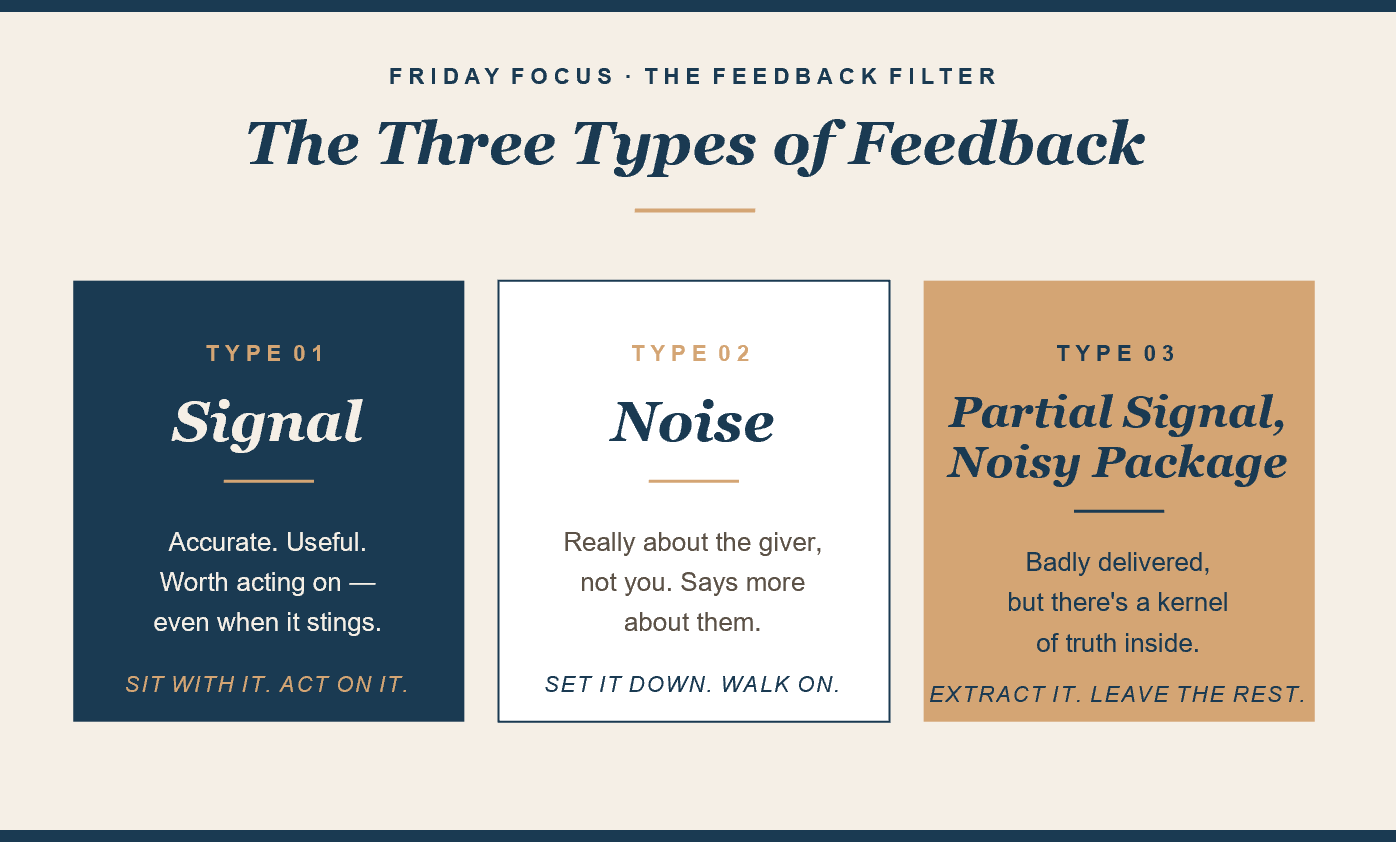
Get feedback.
Adjust your course.

Faith vs. Fear: What Really Drives Us? by Laura Berman FortgangWhen you’re taking the right actions and getting guidance from people who know the terrain, you’re not deluded. You’re informed, you’re strategic, and you’re building faith on a foundation of smart decisions.

The delusion isn’t in believing in yourself.
The delusion is in thinking you can succeed while ignoring all wisdom and feedback.
Big difference!

Introducing COPE: Your Framework for Managing Fear

Because I’m a coach and I love a good acronym, I’ve developed a framework for working with fear.
It’s called COPE, and here’s how it works:

C – Catch Yourself

The moment you notice fear creeping in, catch it. Name it. Say out loud if you need to: “Oh, that’s just fear. I see you.” Don’t let it become the blob. Turn it into the mosquito bite. Acknowledge it and move on.

O – Open

Be open to not knowing. Here’s a wild thought: If you’re going to be convinced of an outcome you can’t actually predict, why are you so committed to believing it will be negative? Why not invest that same energy in believing it could work out? You’re making up a story either way – make it a good one.

P – Possibility

Invest in possibility. This isn’t about wearing rose-colored glasses or ignoring reality. It’s about recognizing that if the idea exists in your mind, if the goal calls to you, there’s a reason. Possibility is real. As a coach, I live in the land of possibility because I’ve seen it proven true over and over again. Your dreams wouldn’t exist if they weren’t possible.

E – Exhale

Seriously, just breathe. Stop holding your breath. Release the tension in your shoulders. It’s going to be okay. This exhale is what having faith feels like in your body.

Faith and Fear Can Coexist

Here’s something important: You don’t have to eliminate fear to have faith. They can exist at the same time. In fact, they usually do. The goal isn’t to be fearless; the goal is to act with intention and faith while acknowledging that fear is along for the ride.

You can feel scared and still send the email.
You can worry about the outcome and still show up.
You can doubt yourself and still take the next step.
That’s not contradiction – that’s being human.

Your Challenge

I want you to pay attention to your internal dialogue. Notice when fear is speaking. Catch it. Open yourself to not knowing the outcome. Invest in possibility and exhale.

Practice COPE. See what shifts.

Because here’s the truth:
You’re doing better than you think. You’re further along than you realize.
The seeds you’re planting right now? They’re going to grow.

Have faith.

Filed Under: Now What? Newsletter Articles Tagged With: beat the odds, Clarity, entrepreneurs, faith vs. fear, Laura Berman Fortgang, Now What CoachingLeave a Comment

Visibility – Make This Your Year to Be Visible

By Laura Berman Fortgang on February 22, 2026

Visibility creates opportunity. It’s that simple.

When you show up consistently – whether in meetings, on social media, or at networking events – you put yourself in the right place at the right time. Those “lucky breaks” people talk about? They happen because someone chose to be visible.

Why Visibility Matters

Visibility builds trust and credibility over time. When people see you regularly, they begin to recognize your expertise and value. And here’s the thing: visibility compounds. The more you show up, the more opportunities find their way to you. Careers are built on this foundation.

How to Build Visibility as an Employee

If you work in a company, visibility starts with speaking up. Make sure you get credit for your great work. Contribute thoughtfully in meetings – not just to be heard, but to add real value.

Volunteer for high-visibility projects. Not the ones nobody else wants, but the strategic initiatives that will showcase your skills and get you noticed by decision-makers. Build relationships across departments and levels. Your network inside your organization is just as important as the one outside it.

Visibility - Make This Your Year to Be Visible by Laura Berman FortgangHow to Build Visibility as an Entrepreneur

Show up on platforms where your ideal clients are, but don’t stop there.
Get involved in your community.
Volunteer for opportunities that put you in front of the right people.

Make it easy for people to understand exactly what you do. I recently worked with a new coach who attended one networking meeting, made themselves visible to the group’s leader, and landed a speaking engagement that will put them in front of hundreds of potential clients. That’s the power of visibility.

Remember: ​
There’s visibility on a small scale (one-on-one relationships) and visibility on a larger scale (platforms and speaking).
Both matter.

For Those Who Hate Being Visible

Let me be honest: Being self-conscious is a little egotistical.
You’re assuming everyone is judging you probably because you’re judging yourself and others.
​Get straight with yourself.
Stop judging yourself.
Stop judging other people.

You need to adopt a healthy “I don’t care” attitude. Not that you don’t care enough to do good work, but you can’t care so much about what others think that you hide your light.

Here’s the key: You need a mission bigger than you.
When you focus on the impact you want to make and the people you want to serve, visibility becomes about that mission, not about you.

And introverts, I don’t want to hear that you can’t be visible.
You just need to know yourself, do things your way, and stay connected to your bigger purpose.

Common Visibility Mistakes

Assuming good work speaks for itself. ​
It doesn’t. You need to share your wins, whether you’re presenting results to your boss or sharing client success stories on LinkedIn.

Confusing visibility with bragging. ​
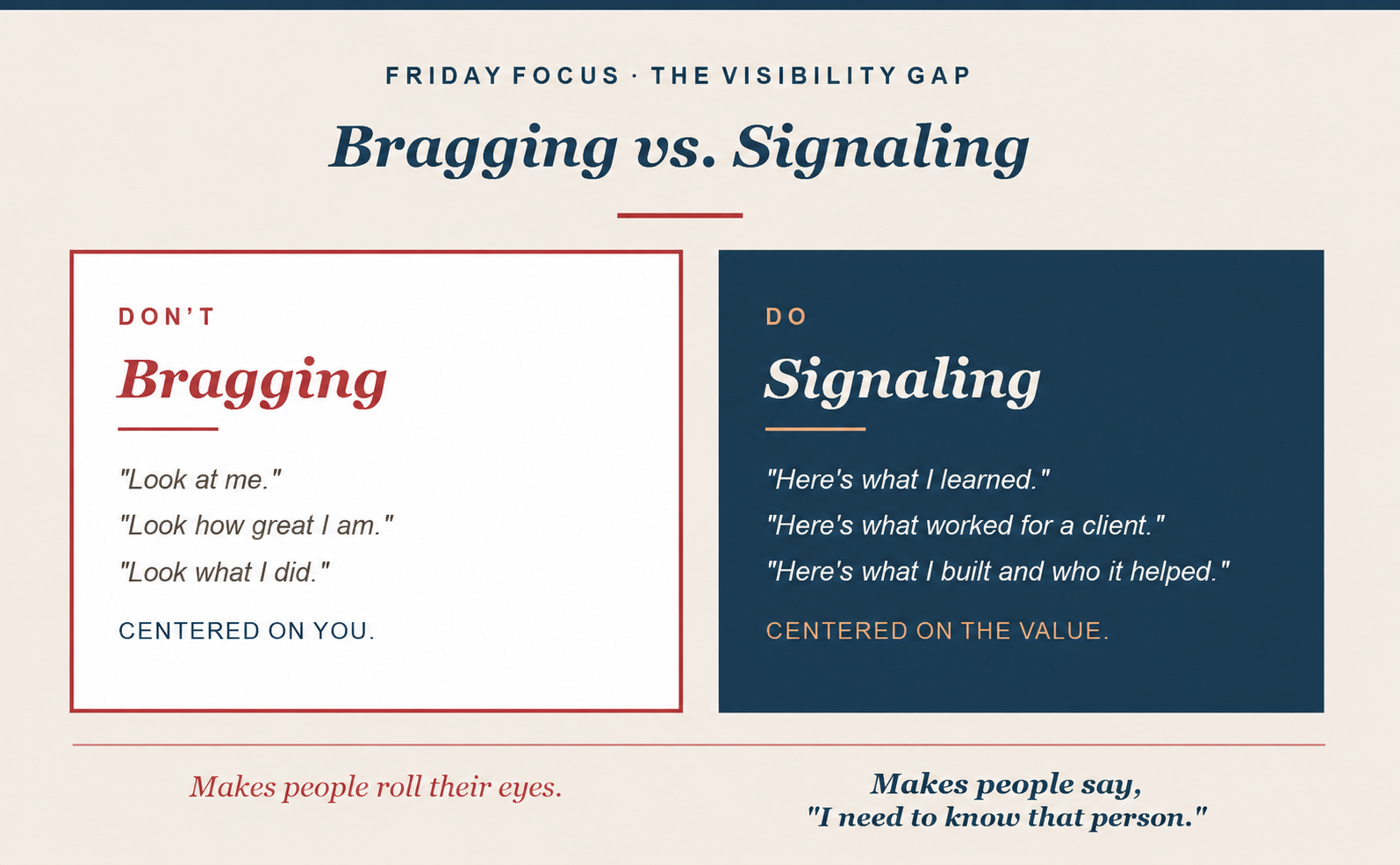
They’re not the same thing. Sharing your accomplishments and expertise is not bragging; it’s informing people about what you can do and who you can help.

Being inconsistent. ​
Disappearing for long periods and then showing up only when you need something (a sale, a favor, a promotion) doesn’t work. Consistency builds trust.

Your Action Step

We’re still in the energy of a new year. Make this your year to be visible.
​Be consistent.
Put yourself forward.
Don’t be afraid to be vocal about your accomplishments.

Visibility creates opportunity, and opportunity is what you’re after.

Filed Under: Lessons Learned, Now What? Newsletter Articles, Taking Action Tagged With: Change, Clarity, Common Visibility Mistakes, entrepreneurs, How to Build Visibility as an Employee, Laura Berman Fortgang, new direction, Now What Coaching, visibility, Visibility as an EntrepreneurLeave a Comment

Quels sont les bonus les mieux adaptés aux nouveaux joueurs Gratorama ?

By Kelly Johnson on February 12, 2026

Gratorama est une plateforme de casino en ligne qui séduit de nombreux amateurs grâce à son interface claire et son offre généreuse destinée aux nouveaux inscrits. Si vous êtes un nouveau joueur, comprendre les bonus proposés est essentiel pour maximiser votre expérience tout en limitant les risques. Cet article explore les promotions les plus adaptées aux débutants sur Gratorama, en s’appuyant sur des critères précis liés à la facilité d’accès, aux conditions d’utilisation et à la valeur réelle des offres.

Quels types de bonus les nouveaux joueurs peuvent-ils attendre sur Gratorama ?

Dès l’inscription, Gratorama propose un éventail de bonus pensés pour accueillir et fidéliser ses joueurs. Parmi ces offres, les plus avantageuses pour les débutants sont :

  • Bonus sans dépôt : une somme d’argent offerte gratuitement, sans nécessité de dépôt initial, permettant de tester le site sans risque.
  • Bonus de bienvenue sur dépôt : un pourcentage ajouté au premier versement, augmentant ainsi le capital de jeu.
  • Tours gratuits (free spins) : souvent associés à certains jeux spécifiques, ces tours offrent des chances supplémentaires de gains sans mise supplémentaire.
  • Programme de fidélité simplifié : pour encourager la continuité, certains bonus progressifs récompensent la régularité des joueurs.

Par exemple, un bonus sans dépôt de 10 € ou 20 free spins permet de découvrir la ludothèque de Gratorama sans engager de fonds personnels. C’est un premier pas idéal pour apprivoiser la plateforme.

Pourquoi le bonus sans dépôt est-il un atout majeur pour les débutants ?

Le bonus sans dépôt présente un avantage clé : il élimine la barrière financière initiale. Le joueur peut ainsi :

  • Découvrir les jeux sans pression.
  • Tester la fluidité de la plateforme.
  • Comprendre les règles spécifiques des mises avant d’investir de l’argent réel.

Cependant, ce type de bonus comporte souvent des conditions strictes, comme un plafond de gains ou un wagering (conditions de mise) à respecter. Gratorama se démarque par des exigences raisonnables, ce qui rassure les nouveaux venus.

Tableau comparatif des bonus Gratorama vs moyenne du marché

Type de bonus Offre moyenne du marché Offre Gratorama
Bonus sans dépôt 5 à 15 € 10 à 20 €
Bonus sur premier dépôt 100 % jusqu’à 100 € 150 % jusqu’à 150 €
Tours gratuits 10 à 30 tours 20 à 50 tours

Gratorama propose des conditions très compétitives, notamment un bonus de bienvenue qui dépasse la moyenne du secteur, ce qui représente une réelle opportunité pour les nouveaux joueurs.

Comment profiter au mieux des conditions de wagering sur Gratorama ?

Le wagering, ou condition de mise, désigne le nombre de fois que le joueur doit rejouer le montant du bonus avant de pouvoir retirer ses gains. Gratorama applique des règles transparentes qui facilitent la compréhension :

  • Le wagering des bonus sans dépôt est souvent fixé à 30x le montant du bonus.
  • Pour les bonus sur dépôt, il oscille entre 25x et 40x, selon le type d’offre.
  • Certains jeux contribuent à 100 % aux conditions de mise, ce qui est avantageux pour atteindre rapidement l’objectif.

Conseil de joueur expérimenté : privilégiez les bonus avec un wagering autour de 30x ou moins. Cela réduit le temps nécessaire pour libérer vos gains sans multiplier inutilement les mises.

Les bonus sur Gratorama : un gain à double tranchant ?

Certains joueurs novices peuvent se montrer sceptiques face aux bonus, craignant des pièges ou des clauses trop contraignantes. Cette méfiance est naturelle et souvent justifiée sur le marché, où les conditions cachées ne manquent pas. Mais chez Gratorama, la transparence est de mise. Les conditions des bonus sont clairement expliquées sur le site officiel, accessible à tout moment. De plus, le support client est réactif et disponible pour éclaircir tout doute.

Quick facts sur les bonus Gratorama

  • Les bonus sont valables 7 à 14 jours selon le type.
  • Un seul bonus actif par joueur à la fois.
  • Possibilité d’annuler un bonus en cours si les conditions ne conviennent pas.
  • Support accessible en français 24/7 via chat et email.

Ces éléments participent à créer un environnement sécurisant pour les nouveaux joueurs, leur permettant d’aborder leurs parties avec sérénité.

Bonus adaptés pour démarrer sur Gratorama : résumé en 5 points clés

  1. Le bonus sans dépôt est idéal pour débuter en douceur.
  2. Un bonus de bienvenue généreux amplifie vos chances dès le premier dépôt.
  3. Les tours gratuits offrent une découverte ludique sans risque.
  4. Les conditions de mise sont raisonnables et expliquées clairement.
  5. Un support client francophone assure un accompagnement efficace.

FAQ : Questions fréquentes des nouveaux joueurs Gratorama

Quels sont les critères pour recevoir le bonus sans dépôt ?
Il suffit de créer un compte valide, sans nécessité de déposer de l’argent. Certaines promotions peuvent demander une validation d’identité rapide.

Puis-je retirer les gains issus du bonus sans dépôt immédiatement ?
Non, il faut d’abord remplir les conditions de mise (wagering) indiquées avant tout retrait.

Les tours gratuits sont-ils limités à certains jeux ?
Oui, généralement ils s’appliquent à des machines à sous spécifiques, mentionnées dans les conditions.

Peut-on cumuler plusieurs bonus sur Gratorama ?
Non, un seul bonus actif est autorisé à la fois pour éviter les abus.

Comment contacter le support en cas de problème avec un bonus ?
Le support est accessible via chat en direct ou par email, avec une réponse rapide en français.


Pour un aperçu complet des bonus et conditions, rendez-vous sur le site officiel de gratorama et commencez votre aventure avec les meilleures offres du marché.


En somme, Gratorama propose une palette de bonus bien calibrée pour les novices, avec un équilibre entre attractivité et conditions justes. Ces caractéristiques en font un choix pertinent pour qui souhaite découvrir le monde du casino en ligne sans mauvaises surprises.

Filed Under: Uncategorized Leave a Comment

The Entrepreneurial Roller Coaster: How to Ride It (And Actually Survive)

By Laura Berman Fortgang on February 8, 2026

If you’ve ever been on a roller coaster, you know that moment right before the first drop – you grip the bar, your stomach tightens, you take a deep breath, and you wonder what the heck you just got yourself into.

Welcome to entrepreneurship.

Except this ride lasts years instead of minutes. There’s no operator doing safety checks. You can’t see the track ahead. And the drops? They’re steeper than anything at Six Flags.

After 32 years of running my own business, I can tell you this: The roller coaster never really smooths out. You just get better at riding it. That’s what I want to share with you today – how to not just survive the ride, but actually thrive on it.

Build Your Reserves (Both Kinds)

First things first: You need cushions for the falls. I’m talking about two types of reserves that most entrepreneurs overlook.

Financial reserves are the obvious one, but let me be specific. You need at least six months of operating expenses, plus personal savings. Not the optimistic spreadsheet version where everything goes perfectly. You need the realistic version where your biggest client ghosts you or that investor pulls out at the last minute.

I run my business on a ten-month year. Not because I take two months off, but because I know things will fluctuate and some months will be lean. Building in that buffer keeps me from making decisions out of desperation.

Here’s what most people miss: Emotional reserves. This is your hobbies, your relationships, exercise, meditation, therapy – whatever fills your tank. The entrepreneurs who burn out aren’t the ones who work hard; they’re the ones who work hard with an empty emotional tank. When you have people you can talk to, activities that restore you, and a life outside your business, you create an emotional cushion that lets you weather the storms.

You can’t pour from an empty cup, so protect both reserves like your business depends on it because it does.

On Low Days: Do ONE Thing That Moves the Needle

There will be days when you wake up convinced you’ll never get another client.
When the weight of it all feels crushing.
When you question everything.

person on roller coasterOn those days, forget your massive to-do list.
Pick ONE thing that will actually move the needle and do that.

Not busy work. Not cleaning your desk or organizing files. One meaningful action: Make that scary sales call, have that critical conversation you’ve been avoiding, fix that tech bug that’s been haunting you, send that partnership proposal.

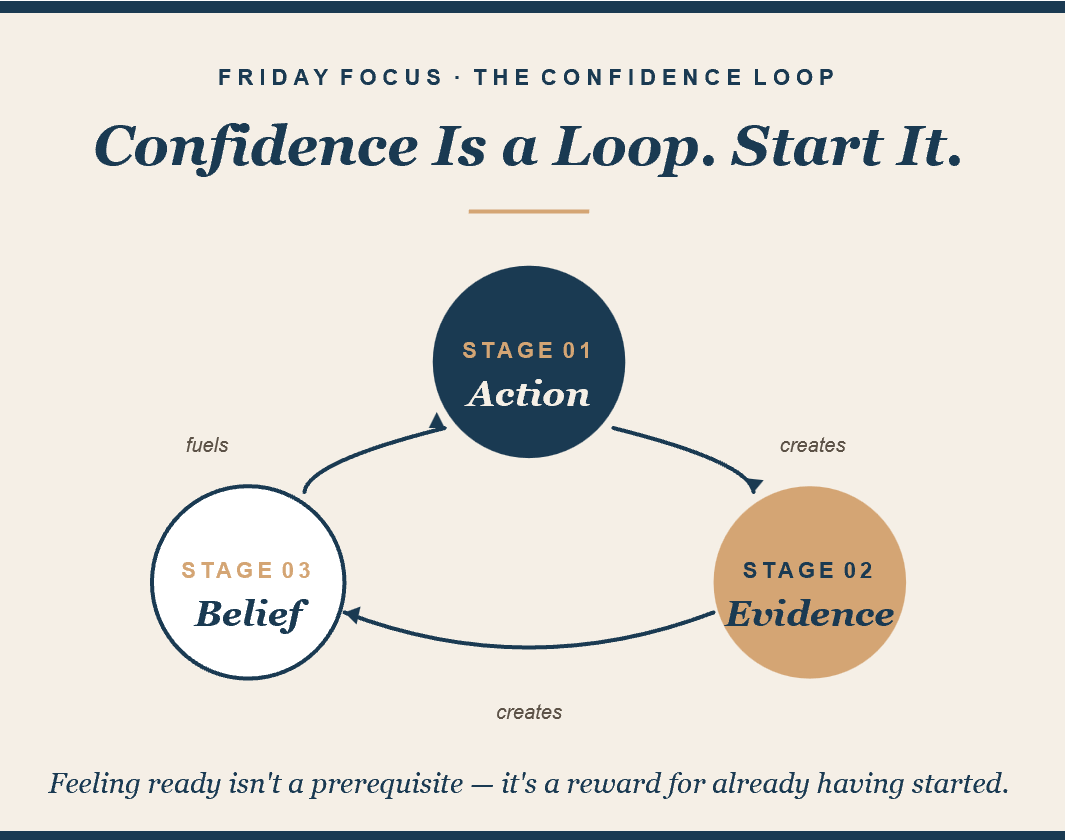
Here’s the magic: Mood follows action. We’re often waiting for the mood to hit us before we take action. But it works the opposite way. You don’t need to feel motivated to act; you act and the motivation follows. Take the action first, and watch your mood improve.

After a Win: Attack, Don’t Relax

This might be the most counterintuitive advice, but it’s critical. Your most dangerous moment isn’t after a failure; it’s after a success.

You just closed a major client. You just hit your revenue target. Every instinct tells you to take your foot off the gas, to relax a little, to enjoy the moment.

Don’t.

Celebrate that evening, absolutely. But the very next day? Double down. Already in a good mood? Take more action. Make another call. Close another client. Do something that makes a difference while you’re riding that high.

Here’s why: Wins create momentum, open doors, and boost confidence. You’re never more attractive to potential clients, partners, or investors than right after a visible success. Use that fuel. Don’t let it evaporate.

Know the Difference: Dip or Dead End?

Not every low point is worth pushing through. Seth Godin talks about “The Dip,” that valley between starting something and mastering it where most people quit. Winners push through strategic dips because there’s something valuable on the other side.

But dead ends are different. A dead end is when the market fundamentally doesn’t want what you’re selling, when the economics will never work, when there’s nothing pointing to it coming back.

The hard part? They feel the same in the moment.

That’s why you need trusted advisors – friends, coaches, mentors – who can help you see clearly. People who will tell you the truth when you need to hear it because it’s really hard for us to know the difference between a dip and a dead end when we’re the ones on the ride.

Hold On Tight

The ride is terrifying.
The ride is exhilarating.
For those of us crazy enough to strap in, it leads to something incredible: freedom.

You get better at riding it.
You build your reserves.
You take action when you’re low.
You attack when you’re high.
You surround yourself with people who help you know when to push through and when to pivot.

Buckle up, buttercup.
This is what you signed up for, and it’s worth every twist and turn.

Filed Under: Now What? Newsletter Articles Tagged With: Career coach, Career Coaching, career path, coaching, entrepreneurs, Laura Berman Fortgang, Now What Coaching, Opportunity, starting a business, take actionLeave a Comment

  • « Go to Previous Page
  • Page 1
  • Page 2
  • Page 3
  • Page 4
  • Page 5
  • Interim pages omitted …
  • Page 204
  • Go to Next Page »

Primary Sidebar

Pinpoint–and plan-a fulfilling "next chapter" of your career with the Now What?® Program

Start Today

Buy Now

Sign up for Laura’s mailing list so you don’t miss a thing!

Disclaimer |
Site Usage and Privacy Policy  |  Facilitator Zone

Copyright © 2026 Now What?® Coaching. All Rights Reserved.